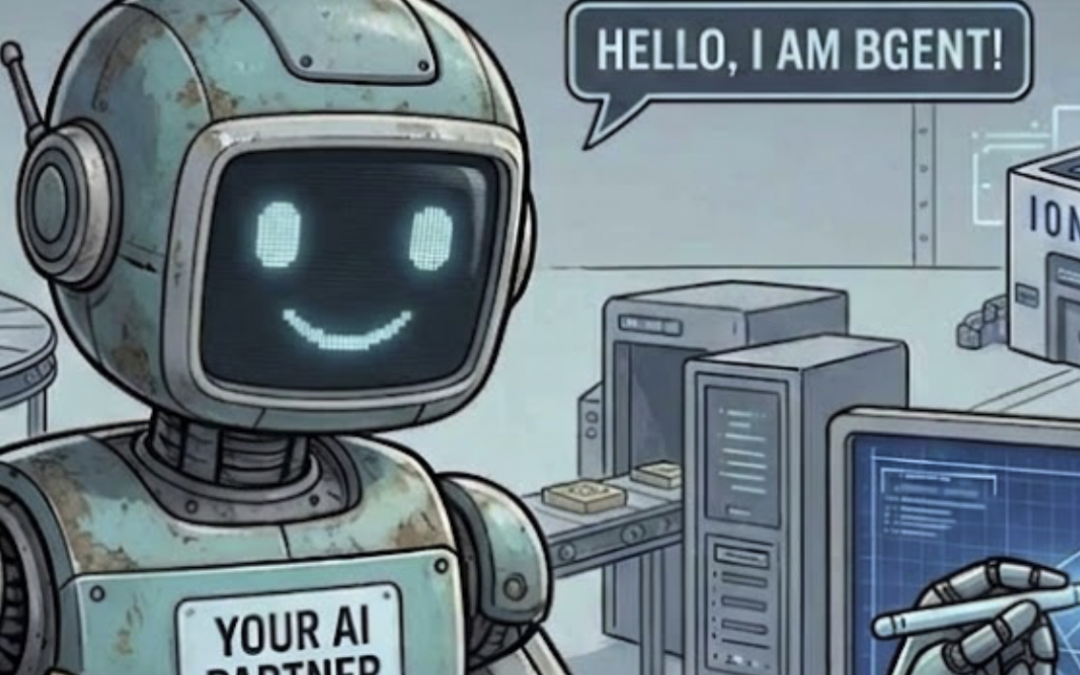
A well-designed chatbot can make your website easier, faster, and more useful for both potential new clients and existing clients. Instead of forcing visitors to hunt through pages, menus, PDFs, or outdated links, a chatbot can guide them directly to the information they need.
But there is an important catch: a chatbot is only as useful as the information behind it.
If your website is outdated, incomplete, confusing, or poorly maintained, your chatbot may give incomplete answers, send visitors to the wrong page, or create a frustrating experience. In other words, you cannot live by chatbot alone. The chatbot and the website need to work together.
A Chatbot Should Help Visitors Find Answers Faster
Most people do not come to a business website to admire the navigation menu. They come with a question.
They may want to know:
What services do you offer?
Who do you help?
How do I get started?
Where can I find pricing, contact information, or support?
Do you have experience with my type of business or problem?
A chatbot can reduce friction by answering common questions immediately. It can also help visitors discover information they may not have known to look for. For a potential client, that can mean a better first impression. For an existing client, it can mean faster access to the information they need without making a phone call or sending an email, at the same time if the information is out of date it can go wrong.
The Website Still Has to Be the Source of Truth
A chatbot should not replace a well-built website. It should make the website easier to use.
Your website should remain the trusted source for your services, contact details, case studies, forms, policies, resources, and important updates. The chatbot can then act as a guide, helping people get to the right information more efficiently.
When the website is current and maintained, the chatbot can provide better answers and direct visitors to the right page at the right time. When the website is neglected, the chatbot has less reliable information to work with.
That is why website maintenance matters. Updated service pages, accurate contact information, current blog posts, working links, and clear calls to action all help the chatbot perform better.
The Best Chatbots Know When to “Drop Off” the Visitor
A great chatbot does not try to do everything inside the chat window.
Sometimes the best answer is a short explanation followed by a direct link to the right page. For example, a chatbot might answer a basic question about a service, then guide the visitor to a consultation form, resource page, or detailed service description.
That handoff matters. The chatbot should help the visitor move forward, not keep them trapped in a conversation.
A strong chatbot experience should be able to say, in effect: “Here is the answer, and here is the best next place to go.”
Chatbots Improve the Client Experience When They Are Built Around Real Questions
The best chatbot content comes from the real questions people already ask your business.
Those questions may come from sales calls, support emails, intake forms, client meetings, or website analytics. When a chatbot is built around actual client needs, it becomes more than a novelty. It becomes a practical tool that saves time and improves communication.
For potential clients, it can make the first step easier.
For existing clients, it can reduce repetitive questions and help them find resources quickly.
For your business, it can create a better digital experience while freeing up time for higher-value conversations.
AI Works Best When It Supports a Clear Business Strategy
Adding AI to a website should not be the goal by itself. The goal should be to make the website more helpful.
A chatbot should support your business strategy by helping people understand what you do, who you serve, and how to take the next step. It should be trained or configured around accurate information, reviewed regularly, and connected to the right pages on your website.
That means your website and chatbot should be managed together. As services change, pages are updated, offers evolve, or new resources are added, the chatbot should be updated as well.
The Bottom Line
A great chatbot can help people get information faster, reduce frustration, and create a better experience for both new and existing clients. But the chatbot is not a substitute for a current, well-organized website.
The strongest results come when the chatbot and website work together.
Your website provides the trusted information. Your chatbot helps people find it.
When both are maintained, aligned, and built around real client needs, your website becomes more than an online brochure. It becomes a smarter, more useful business tool.
Are You Ready To AI Enhance Your Business?
AI isn’t a human replacement but rather an enhancement to human performance. Are you ready to see how AI can enhance your business?
